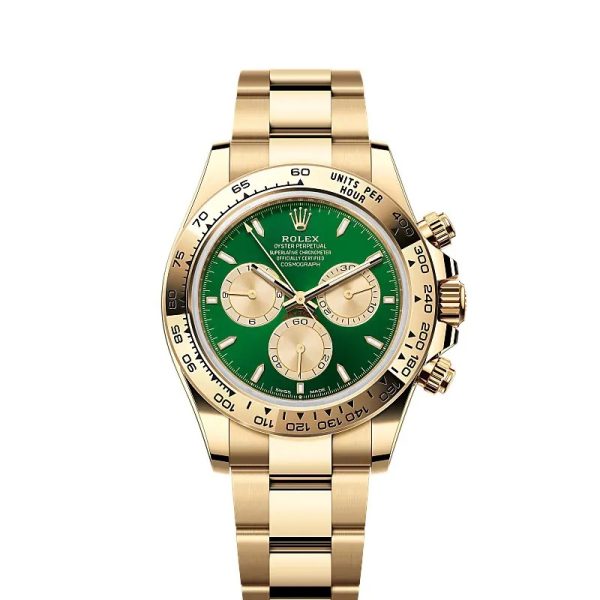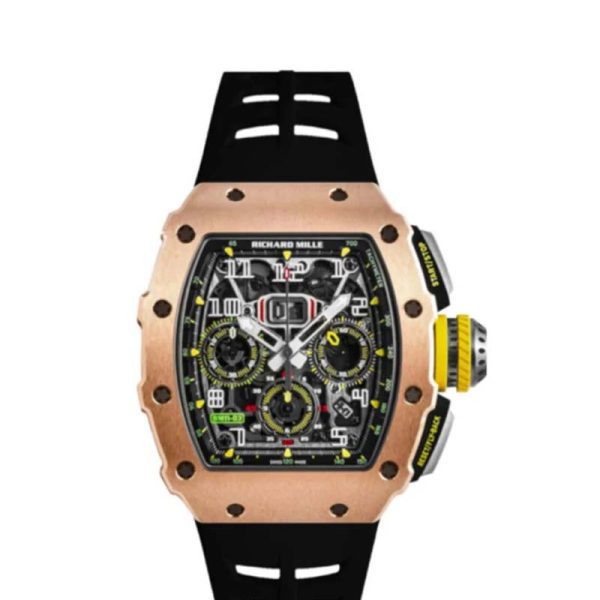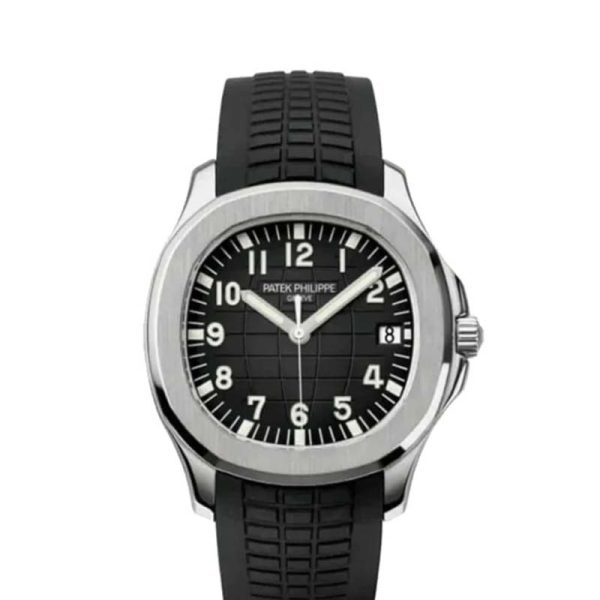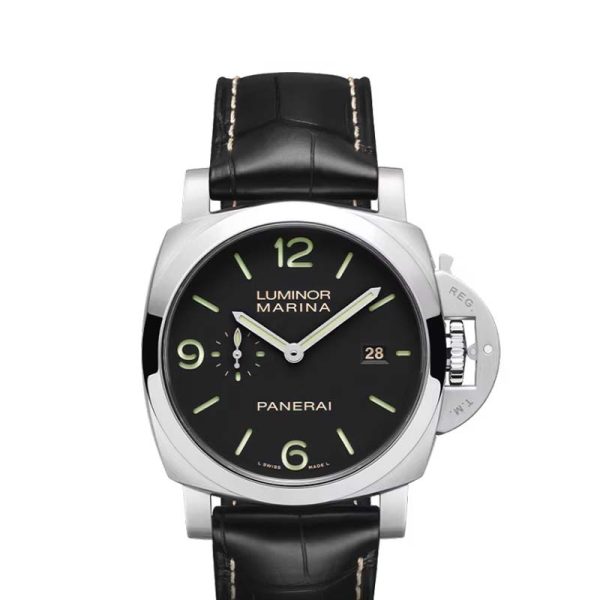

Freesprung
The freesprung balance in automatic mechanical watches
The term 无卡度 (freesprung) refers to a specific design of the balance and hairspring regulating system in a mechanical movement. The English term is freesprung balance, and it’s considered a hallmark of high-grade watchmaking.
What the regulator does
A mechanical watch keeps time through an oscillating system made of a balance wheel and a hairspring, the balance spring. The hairspring is what drives the balance wheel back and forth, and how fast it swings determines whether the watch runs fast or slow. But the spring’s effective length and tension need to be adjustable so the watch can be regulated. That speed-adjusting mechanism is the regulator.
How a traditional (index) regulator works
A conventional movement uses a movable regulator index (快慢针 / raquette) that pinches the hairspring between two small pins. Moving the index changes the effective working length of the spring: a longer spring runs slower, a shorter one faster. The outer end of the spring is also fixed by a stud.
There are drawbacks. The section of spring pinched between the pins suffers friction and instability while it oscillates. The spring can shift over time or after a shock, which makes the rate drift. And precision is limited, so it’s hard to achieve very tight accuracy from day to day.
How a freesprung system works
A freesprung design removes the index pins entirely, so the hairspring oscillates freely with nothing pinching it. Instead of adjusting the spring length, the rate is adjusted by changing the balance wheel’s inertia, its moment of inertia.
Some movements use small weights or screws on the balance rim, like Rolex’s Microstella or some Patek Philippe calibers. Turning the screws in or out changes the mass distribution: more mass toward the outside runs slower; less runs faster. Others use eccentric weights that are rotated to adjust.
| Aspect | Index | Freesprung |
|---|---|---|
| Adjustment precision | Coarse, via moving the index | Very fine, via screws/weights |
| Interference resistance | Spring is pinched, sensitive to shocks | Spring is free, better isochronism |
| Long-term stability | Spring can shift and drift | Structurally solid, more stable rate |
| Cost/threshold | Simple and cheap | Complex and costly, mostly mid-to-high-end calibers |
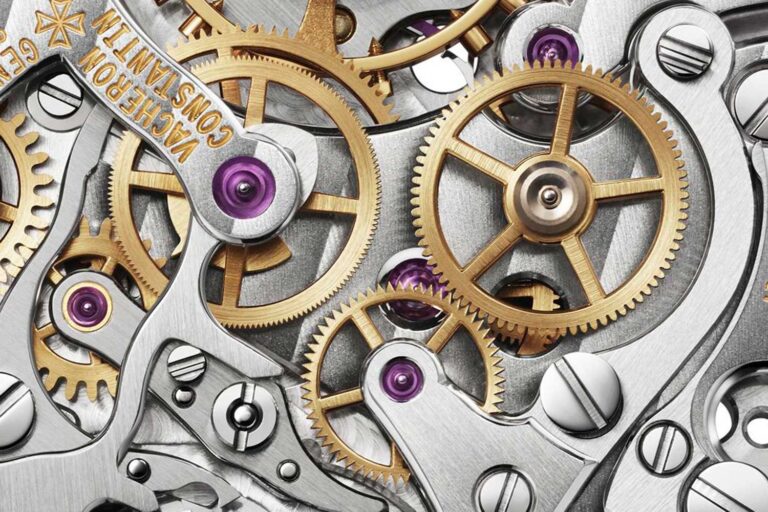
Conventional (index-type) controller
Visual Identification of Conventional (Exponential) Controllers
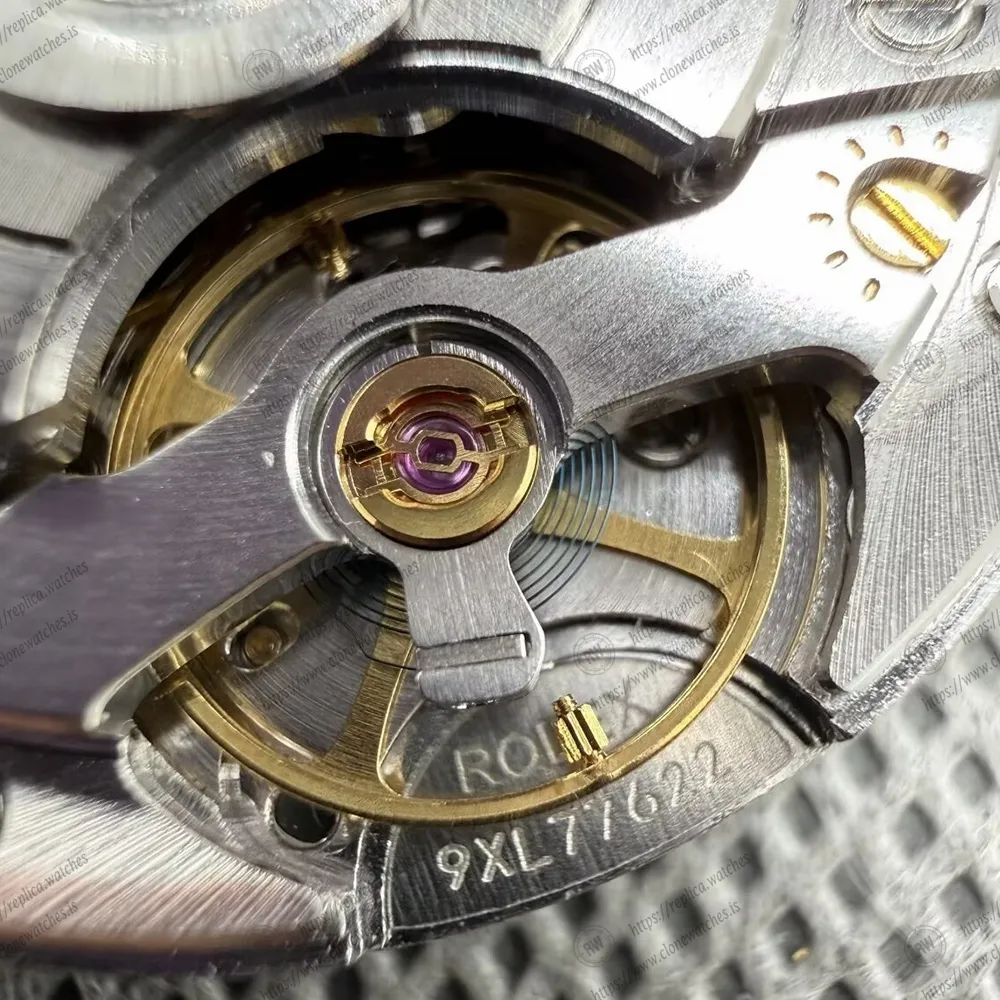
Free-floating spring system
Visual Recognition of Free-Floating Spring Systems
Are you ready to own a perfect artistic masterpiece right now?
Browse our collection to find a replica watch that suits your style, such as the Rolex Super Clone series.